How to Take Better Notes: 4 Methods Compared by Buhii.net
Cornell, outline, mapping or charting? Compare four note-taking methods and pick the right one.
Plan a budget-friendly trip step by step: set a realistic budget, choose smart dates, cut transport and lodging costs, and avoid hidden travel fees.
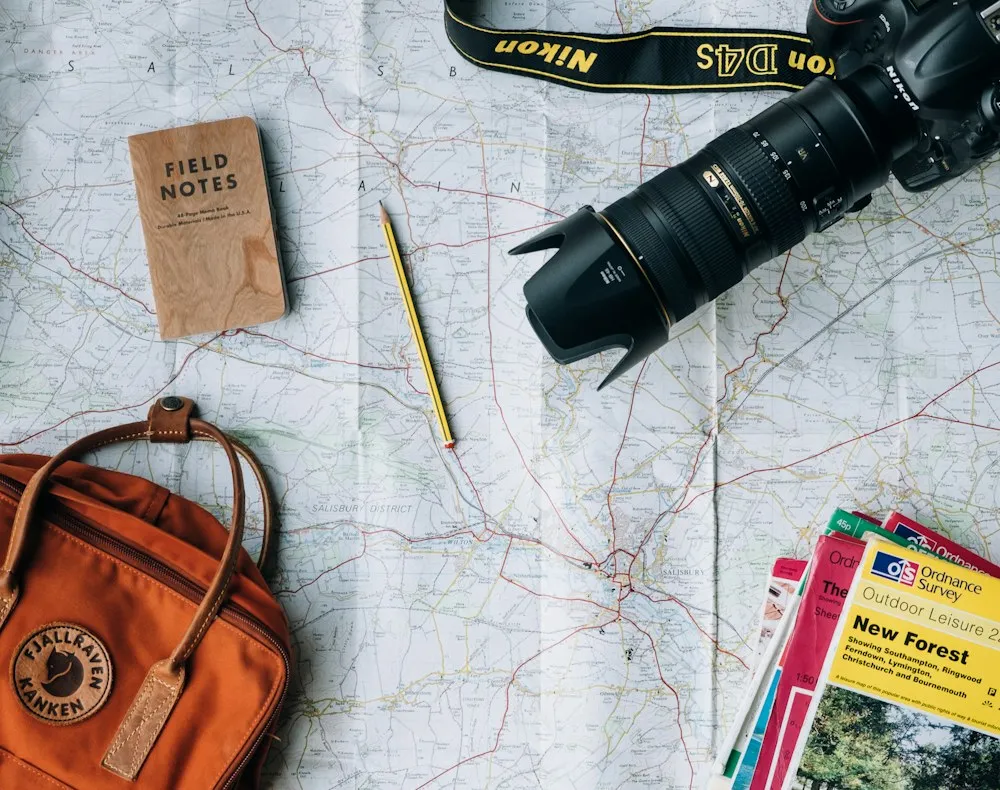
A cheaper trip isn’t about skipping everything fun. It’s about deciding in advance where your money should go, then removing the costs you don’t care about. This budget trip planning guide walks through the process step by step, from setting a number to tracking what you spend once you arrive. You’ll find more practical walkthroughs like it on Buhii.net.
In this detailed guide, the Buhii.net team breaks trip planning into clear steps, with checklists you can reuse for every journey.
Start with one total number you’re comfortable spending, then split it into categories. Planning by category shows you early whether the trip you want fits the money you have.
| Category | What to include | How to estimate |
|---|---|---|
| Getting there | Flights, trains, buses, fuel, tolls | Search real fares for your dates |
| Lodging | Nightly rate plus taxes and cleaning or resort fees | Check the total price at checkout, not the headline rate |
| Local transport | Airport transfers, transit passes, rideshares | Look up transit fares on official city sites |
| Food | Groceries, cafés, restaurants | Check menus and grocery prices for the area |
| Activities | Tickets, tours, entry fees | List your must-dos and price each one |
| Documents and health | Passport, visas, vaccines, travel insurance | Check official sources for requirements |
| Buffer | Unexpected costs | Set aside a fixed amount, for example 10 percent of the total |
If the categories add up to more than your total, adjust the biggest lines first. Changing your dates or lodging area usually saves more than cutting a coffee a day.
Flexibility is the single most useful tool for budget travel.
The cheapest fare isn’t always the cheapest trip. Compare the full cost of each option:
Packing carry-on only can remove baggage fees entirely. If you do, check the TSA’s liquids rule before you pack: for U.S. flights, liquids, gels and aerosols in carry-on bags are limited to travel-sized containers of 3.4 ounces (100 milliliters) or less per item.
For shorter distances, compare trains and long-distance buses too. They often drop you in the city center, which saves on airport transfers.
Lodging is usually the biggest cost after transport, so it deserves careful comparison.
If you need to confirm details with a host or hotel, such as late check-in or luggage storage, send a short, clear message and keep a written record. Our guide on how to write a professional email includes request and follow-up templates you can adapt for booking questions.
A day-by-day plan helps you avoid expensive last-minute decisions, but it shouldn’t be rigid.
Planning a trip takes real time. If research keeps getting pushed aside, try scheduling it using one of these time management methods, such as setting aside two focused time blocks for flights and lodging.
Food adds up quickly because you pay for it several times a day.
Bank and card fees are among the easiest travel costs to avoid, but only if you sort them out before you leave.
These costs are easy to forget until they’re urgent, which is when they get expensive.
Tip: Save digital copies of your passport, bookings and insurance details in a secure place you can reach from your phone, and keep a paper copy separate from the originals.
A budget only works if you check it. Record expenses once a day in a notes app or spreadsheet, using the same categories you set in Step 1. If one category runs high, trim another before the gap grows.
A budget-friendly trip comes from a handful of good decisions made early: a clear total, flexible dates, honest price comparisons and a plan for fees. Get those right and the day-to-day savings take care of themselves, leaving more of your money for the experiences you actually care about. For more practical step-by-step guides on planning, productivity and everyday skills, browse the rest of Buhii.net.
Start researching as early as you can, especially for peak seasons and international travel, since passports and visas can take time. Set price alerts for flights and book once a fare fits your budget rather than waiting for a perfect deal.
It depends on what you would lose if something went wrong. If you have prepaid, nonrefundable bookings or your health plan doesn't cover you abroad, a basic policy can protect a much larger amount than it costs. Read what is excluded before you buy.
Book a room with access to a kitchen or fridge, eat breakfast in, and make lunch your main restaurant meal. Grocery stores and local markets are usually cheaper than places near major attractions.
 Guides
Cornell, outline, mapping or charting? Compare four note-taking methods and pick the right one.
 Guides
A practical, step-by-step framework to learn any new skill faster and make it stick.
 Guides
Write clear, polite professional emails step by step, with templates you can copy and adapt.