Better Sleep Habits: A Science-Backed Buhii.net Guide
Evidence-informed habits for your schedule, evenings and bedroom that help you sleep more deeply.
Short on time? These 20-minute home workouts need no equipment and fit any schedule, with beginner, strength and cardio routines plus a simple weekly plan.
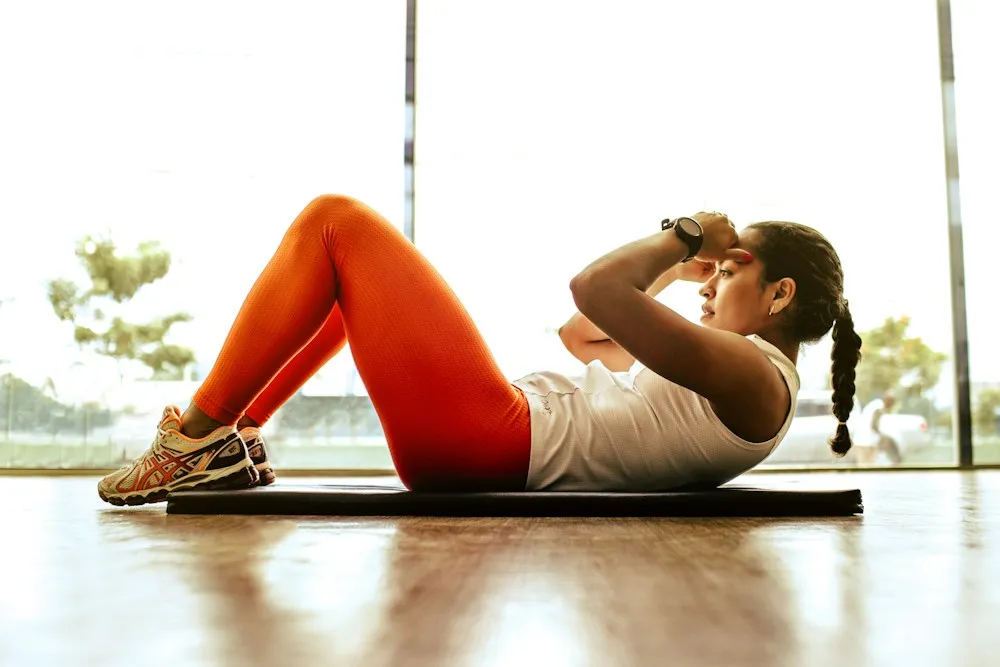
Twenty minutes is enough time for a focused, effective workout, and you don’t need a gym, a commute or special equipment to do it. These 20-minute home workouts are built for real schedules: three no-equipment routines, a weekly plan and clear ways to progress. It’s part of the practical, everyday wellness coverage we publish on Buhii.net.
The Buhii.net team built these routines around public physical activity guidelines, so each session counts toward the weekly movement adults are advised to get.
The NHS physical activity guidelines for adults recommend:
The NHS also notes that 75 minutes of vigorous activity can give similar health benefits to 150 minutes of moderate activity. And the World Health Organization makes a point that matters for busy people: some physical activity is better than none. U.S. readers can find the official federal recommendations in the Physical Activity Guidelines for Americans.
Here’s how 20-minute sessions add up over a week:
| Weekly routine | Total minutes | How it compares |
|---|---|---|
| Four vigorous 20-minute sessions | 80 | Meets the 75-minute vigorous target |
| Five moderate 20-minute sessions | 100 | Add a few brisk walks to reach 150 |
| Three sessions plus daily walks | Varies | A realistic starting point for beginners |
Not sure how hard you’re working? Use the NHS talk test. At moderate intensity, you can still talk but not sing. At vigorous intensity, you can’t say more than a few words without pausing for breath.
If you haven’t exercised for a while, or you have a heart condition, joint problems, a chronic illness or are pregnant, talk to a doctor before starting a new routine.
Every session in this guide follows the same three-part structure: a 3-minute warm-up, a 14-minute main block and a 3-minute cool-down.
Warm-up (3 minutes). Do 30 seconds each of:
Cool-down (3 minutes). Walk slowly in place for 1 minute, then hold each stretch for 30 seconds: hamstring stretch, hip flexor stretch, chest stretch against a doorframe and child’s pose.
The main blocks use two simple timing formats:
A free timer app or your phone’s stopwatch is all you need.
Clear a spot about the size of a yoga mat, with enough room to reach your arms overhead and out to the sides. Check that any chair or table you use for sit-to-stand squats or incline push-ups is sturdy and won’t slide, and work on a non-slip surface in supportive shoes or bare feet.
After the warm-up, do each move for 40 seconds, then rest for 20 seconds. Complete 3 rounds, resting 1 minute between rounds (14 minutes total).
This circuit works your legs, chest, arms, glutes and core with very little impact on your joints, which makes it a good first routine.
Set a timer for a 12-minute EMOM. At the start of each minute, do the listed move, then rest until the next minute begins. Cycle through the four moves three times.
Finish with a 2-minute core block: 30 seconds of side plank on each side, then 60 seconds of dead bugs. Choose rep numbers that leave you at least 15 seconds of rest each minute.
Alternate 30 seconds of hard effort with 30 seconds of easy marching for 14 minutes. Rotate through these moves:
Aim for the vigorous end of the talk test during the work intervals. If your joints are comfortable with impact, you can swap in jumping jacks, high knees or burpees for more intensity.
| Day | Session | Focus |
|---|---|---|
| Monday | Workout A | Full-body strength |
| Tuesday | Workout C | Cardio |
| Wednesday | Brisk walk or rest | Recovery |
| Thursday | Workout B | Strength and core |
| Friday | Workout C | Cardio |
| Saturday | Workout A or B | Strength |
| Sunday | Rest or an easy walk | Recovery |
This schedule includes three strength sessions, more than the twice-a-week minimum, plus two cardio days. If you miss a day, simply pick up with the next session instead of trying to double up.
When a routine starts to feel easy, make it harder in one way at a time:
Mild muscle soreness a day or two after a new workout is common, but sharp pain is not. Stop and seek medical advice if you feel chest pain, severe breathlessness, dizziness or pain in a joint.
Tip: Progress happens between workouts, not just during them. Rest, food and sleep shape how you feel in your next session, so see our guides on better sleep habits and healthy meal prep for busy weeks for support outside the workout itself.
Regular movement also pairs well with the breathing and planning techniques in our guide on how to manage everyday stress, especially on the days when a short workout feels hardest to fit in.
You don’t need an hour, a gym membership or a perfect week to build fitness. Three to five 20-minute home workouts, spread across the week and paired with everyday walking, can move you steadily toward the recommended activity levels. Pick one routine, put it on tomorrow’s calendar and keep it simple.
For more practical routines covering food, rest and daily habits, explore our lifestyle and wellness guides, and visit Buhii.net for our newest articles.
They can be, especially when you do them consistently several times a week and add everyday movement like walking. Keep progressing by adding reps, slowing the tempo or shortening rest periods as a routine gets easier.
You can move every day, but give the same muscle groups a lighter day between hard strength sessions. Alternating strength days with cardio, walking or stretching days is an easy way to do that.
None is required to start. If you want more variety, a non-slip mat, a set of resistance bands and one or two adjustable dumbbells or a kettlebell cover most needs without taking up much space.
 Lifestyle
Evidence-informed habits for your schedule, evenings and bedroom that help you sleep more deeply.
 Lifestyle
A simple weekly system to plan, shop, batch cook and store healthy meals, even on your busiest weeks.
 Lifestyle
Quick, practical techniques to calm your body, clear your head and handle daily stress before it builds.