Better Sleep Habits: A Science-Backed Buhii.net Guide
Evidence-informed habits for your schedule, evenings and bedroom that help you sleep more deeply.
Healthy meal prep for beginners: a simple weekly plan to choose meals, shop smart, batch cook and store food safely so busy weeks still run on real food.
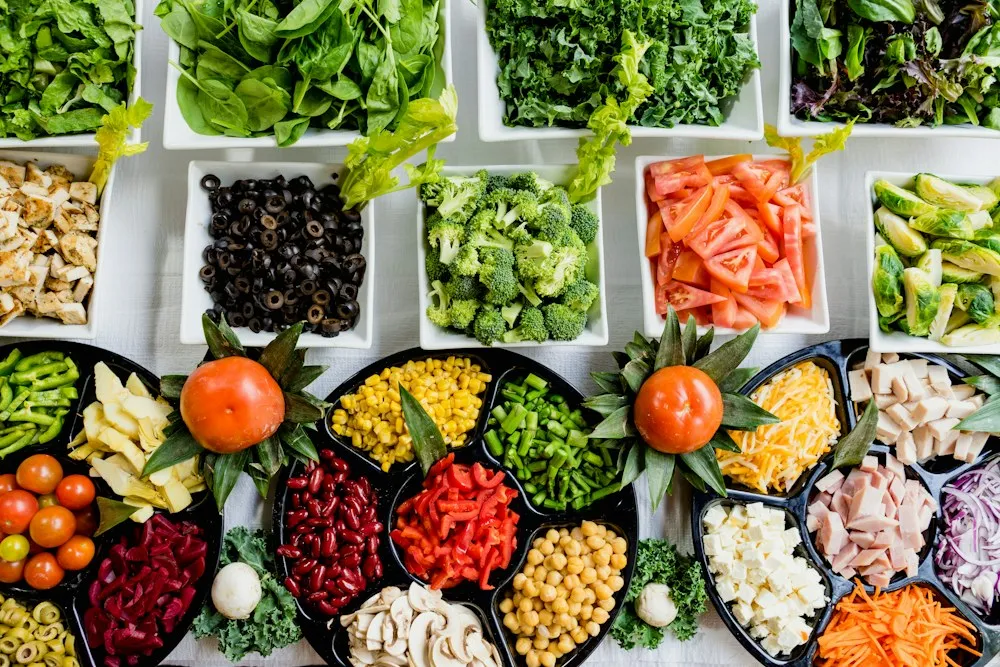
Healthy meal prep is less about perfect containers and more about a simple, repeatable system. This beginner’s plan walks you through one weekly cycle, from choosing what to cook to shopping, batch cooking and storing food safely. It’s the same practical, no-hype approach we take to everyday wellness here on Buhii.net.
The Buhii.net team designed this plan for complete beginners, with food-safety basics from official guidance built into every step.
For many people, weeknight eating isn’t a knowledge problem. It’s a timing problem. At 7 p.m., tired and hungry, the fastest option usually wins. Meal prep moves the decision to a calmer moment, so the healthy choice becomes the easy one.
A good weekly routine gives you three things:
You don’t need to prep every meal to get these benefits. Most beginners do better by starting small and expanding once the routine feels automatic.
Before you plan a menu, decide how much you want to prep and in what form. There are three common approaches.
| Approach | How it works | Best for | Tradeoff |
|---|---|---|---|
| Full meals | Cook complete dishes and portion them into containers | Workday lunches and people who want zero decisions | Can feel repetitive by Thursday |
| Components | Cook separate grains, proteins, vegetables and sauces | People who like variety and quick assembly | Needs a few minutes to assemble each meal |
| Hybrid | Prep full lunches plus a few dinner components | Households with mixed schedules | Slightly more planning up front |
If you’re new to this, start with workday lunches only. It’s a small enough commitment to keep up, and it covers the meal many people end up buying on the go.
You don’t need to track every bite to eat well. A plate template does most of the work. Harvard’s Healthy Eating Plate suggests filling about half your plate with vegetables and fruits, a quarter with whole grains and a quarter with healthy protein. It also points out that potatoes don’t count as vegetables on the plate because of their effect on blood sugar.
Use that template to fill four prep categories:
Legumes pull double duty here. A pot of lentils or a few cans of chickpeas add protein and fiber at a low cost, and they work in bowls, soups, salads and wraps.
A weekly plan doesn’t have to be elaborate. For a component-style week, aim for:
Check your fridge, freezer and pantry first, and plan around anything that needs using up. Then write your shopping list grouped by store section (produce, grains, protein, dairy, frozen) so you move through the store once instead of doubling back.
Keep a few shortcuts on the list. Frozen vegetables, canned beans, pre-washed greens and a rotisserie chicken can save a lot of prep time on a hectic week without undermining the plan.
The secret to a fast prep session is sequencing. Start the items that take longest, then fill the waiting time with hands-on work.
Tip: Clean as you go. Loading the dishwasher while vegetables roast keeps the session from ending with a sink full of pans, which is often what makes people give up on meal prep after a few weeks.
If you want a ready-made first week, try this trio:
The recipes share several ingredients, which keeps shopping simple and waste low.
Food safety is the part of meal prep beginners most often skip, and it matters. The FDA’s safe food handling guidance recommends:
The FDA’s guide to refrigerator temperatures and food safety adds that putting hot food in the fridge doesn’t harm the appliance, and it recommends checking leftovers daily for spoilage.
A practical rhythm for beginners: refrigerate the meals you’ll eat early in the week and freeze the portions meant for later. Move a frozen meal to the fridge the night before so it thaws safely, rather than leaving it on the counter.
Use this list each week until the routine becomes second nature:
The first few weeks are the hardest. These habits help meal prep stick:
Meal prep also frees up time for other healthy habits. The minutes you save at lunch can go toward one of these 20-minute home workouts, and knowing dinner is handled takes one daily worry off your plate, the kind of small win we cover in our guide to managing everyday stress.
Healthy meal prep works best when it’s realistic. Start with a few lunches, use a simple plate template, cook in a smart order and store food safely. Once that feels easy, add breakfasts or dinners. If you have a medical condition such as diabetes or kidney disease, food allergies or other specific dietary needs, check with a doctor or registered dietitian before making major changes to how you eat.
For more practical ideas on food, fitness and daily routines, browse our lifestyle and wellness guides or head back to Buhii.net for our latest reads.
Usually, because cooking in batches at home tends to cost less per portion than takeout, though the savings depend on what you cook and what you currently spend. Tracking your food spending for two weeks before and after you start is the easiest way to see the difference.
Dressed salads, fried foods, cut avocado and very soft pasta dishes tend to lose their texture quickly. Store dressings separately and add delicate ingredients just before eating.
Yes. Soups, stews, chili, cooked grains and cooked beans generally freeze well. Label each container with the contents and date, thaw it in the refrigerator, and reheat it until it is steaming hot all the way through.
 Lifestyle
Evidence-informed habits for your schedule, evenings and bedroom that help you sleep more deeply.
 Lifestyle
Three no-equipment 20-minute routines and a weekly plan that fits exercise into even a packed schedule.
 Lifestyle
Quick, practical techniques to calm your body, clear your head and handle daily stress before it builds.