Better Sleep Habits: A Science-Backed Buhii.net Guide
Evidence-informed habits for your schedule, evenings and bedroom that help you sleep more deeply.
Learn how to declutter your home with a room-by-room plan, a simple keep-or-go system and safe ways to donate, recycle or dispose of what you no longer need.
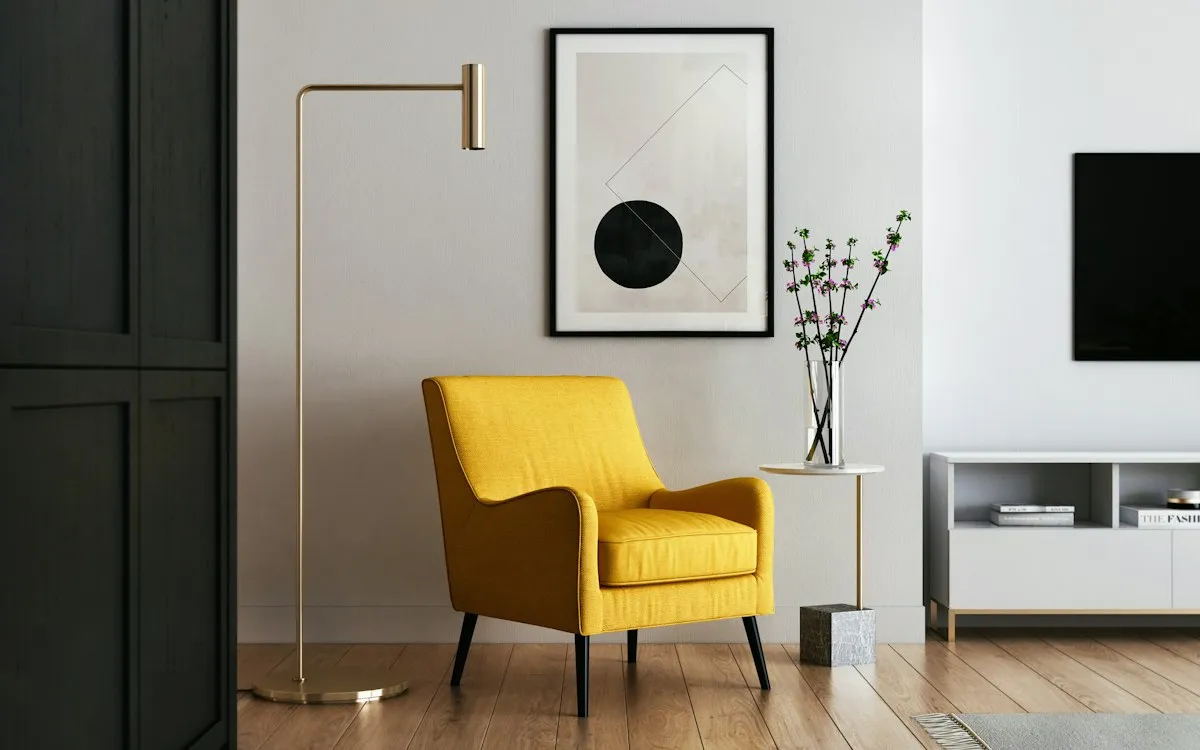
Learning how to declutter your home is less about a dramatic weekend purge and more about a clear system you can repeat. This room-by-room plan shows you where to start, how to decide what stays and how to get unwanted items out the door responsibly. It’s the kind of practical home and wellness guide you’ll find throughout Buhii.net.
In this guide, the Buhii.net team gives you a repeatable room-by-room order, a simple keep-or-go test and safe ways to get rid of items that should not go in the trash.
Decluttering stalls when every item turns into a debate. Set up four labeled boxes or bags before you begin:
| Category | What goes in it | What happens next |
|---|---|---|
| Keep | Items you use or truly value | Put away in a specific, permanent spot |
| Relocate | Items that belong in another room | Return them at the end of the session |
| Donate or sell | Usable items you no longer need | Out of the house within a week |
| Recycle or trash | Broken, expired or worn-out items | Out with the next pickup |
When you’re unsure about an item, run through a few quick questions:
If you can’t think of a clear reason to keep something, it’s probably ready to go.
Set a timer for 15 to 30 minutes and tackle one zone, such as a drawer, a shelf or a closet floor, rather than an entire room. Short sessions keep decision fatigue low and make it easier to start again tomorrow. End each session by emptying the Relocate box and taking out the trash, so progress is visible right away.
When the whole house feels like too much, skip the planning and build momentum with three quick wins:
These steps don’t require difficult decisions, and seeing quick results makes the next session much easier to start.
Start with areas that hold fewer emotional items and save sentimental categories for last, once you’ve had practice making quick decisions.
A clear kitchen makes cooking faster and more pleasant, which helps if you’re trying healthy meal prep for busy weeks.
A calm, uncluttered bedroom is one part of a good sleep setup. For the rest, see our guide to better sleep habits.
These spaces often hide items that need special handling. The EPA explains that leftover household hazardous waste, including products such as paints, cleaners, oils, batteries and pesticides, can contain hazardous ingredients and requires special care when you dispose of it. The EPA also warns never to mix these products. Keep them in their original containers and check with your city or county waste service about drop-off sites or collection events.
Decluttering isn’t finished until things actually leave the house.
Tip: Keep a permanent donation bag in a closet. When you notice something you no longer need, drop it in immediately. When the bag is full, it goes out.
A decluttered home stays that way through small, regular habits:
Use this monthly maintenance checklist to catch clutter before it builds:
For many people, a cluttered space is one more item on the mental to-do list. If home feels like a source of pressure rather than rest, our guide on how to manage everyday stress offers simple techniques that pair well with a tidier space.
You don’t need to declutter your home in one weekend. Set up a simple sorting system, work room by room in short sessions, dispose of hazardous items and old medicines safely, and build a few habits that stop clutter from creeping back. Every cleared drawer is progress.
For more ideas on building a calmer, healthier routine, browse our lifestyle and wellness guides or visit Buhii.net for our latest articles.
It depends on the size of your home and how much you own. Working in short, regular sessions, one zone at a time, is usually more sustainable than trying to finish everything in a single weekend.
Keep the pieces that carry the strongest memories and give them a proper place, such as one memory box per person. Photographing items before letting them go can help you keep the memory without keeping the object.
Start with your own belongings and shared spaces rather than other people's things. Give each person a zone they are responsible for and agree on simple house rules, such as where mail, bags and shoes go.
 Lifestyle
Evidence-informed habits for your schedule, evenings and bedroom that help you sleep more deeply.
 Lifestyle
A simple weekly system to plan, shop, batch cook and store healthy meals, even on your busiest weeks.
 Lifestyle
Three no-equipment 20-minute routines and a weekly plan that fits exercise into even a packed schedule.